Plan for traffic, levels and water
A pedestrian path and a vehicle entrance should not be specified in the same way without checking their use. Identify expected traffic, existing levels, door thresholds and drainage points before choosing the paving product. The base build-up, product thickness and edge restraint should reflect actual site and loading requirements.
What happens beneath the paving matters
The visible paver is only part of the work. Removing unsuitable material, preparing and compacting the base, setting the bedding and providing stable edges all affect performance. Ask for the proposed preparation to be described in the quotation, and clarify how existing utilities and drainage features will be protected or coordinated.
Curbstones, patterns and transitions
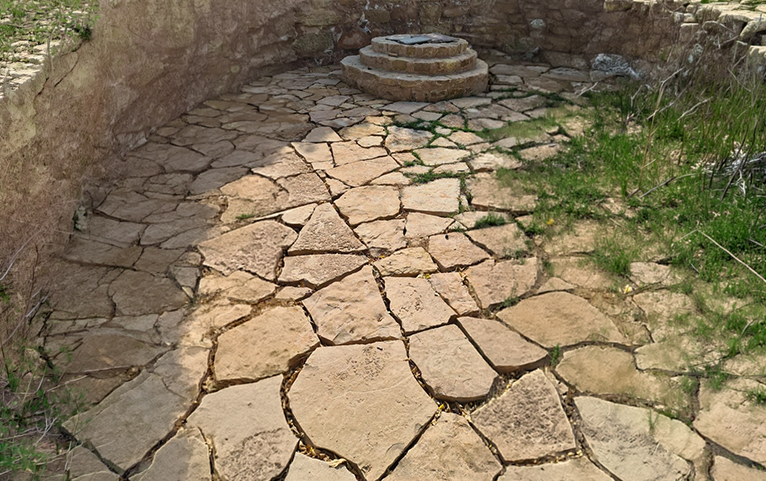
Curbstones define planting areas, paths and driveways and help establish a clear edge. Choose a layout that works with the dimensions of the site and discuss cut pieces around corners, covers and boundaries. Check samples for colour and texture, and confirm how the new surface will meet existing paving and entrance levels.
A quotation based on your actual site
Send the location, approximate area, photographs and whether the paving will carry vehicles. Mention demolition, restricted access and any drainage concerns. A site-specific scope helps separate materials, preparation, installation, curbstones and waste removal so you can compare proposals on the same basis.